
Introduction
The way people work has changed dramatically over the past decade. Digital technologies, remote work, hybrid teams, artificial intelligence, and constant connectivity have transformed workplaces across industries. While these innovations have improved efficiency and flexibility, they have also introduced new challenges that affect employee well-being.
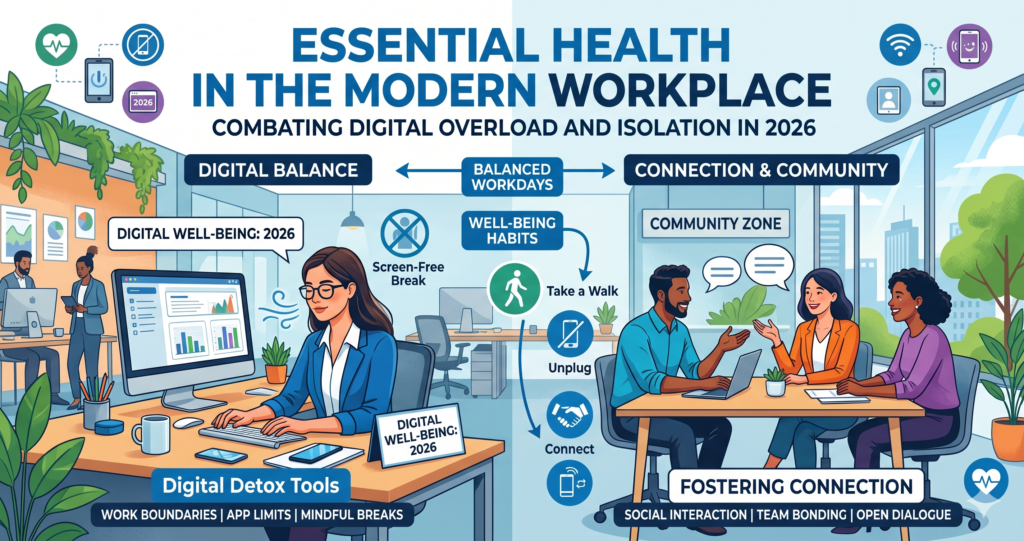
One of the most pressing concerns organizations face today is maintaining strong Health in the Modern Workplace. Employees are increasingly dealing with digital fatigue, information overload, social isolation, and burnout. The expectation of being constantly available through emails, messaging platforms, video meetings, and collaborative tools has blurred the boundaries between professional and personal life.
As businesses continue to embrace digital transformation, leaders must recognize that employee mental well-being is no longer just a human resources concern. It is a critical business priority that directly impacts productivity, engagement, retention, innovation, and organizational resilience.
This article explores the growing challenges of digital overload and workplace isolation while providing practical solutions to improve Health in the Modern Workplace for employees and organizations alike.
Table of Contents
Do Checkout: World Health Organization (WHO)
1. Understanding Mental Health in Today’s Work Environment.
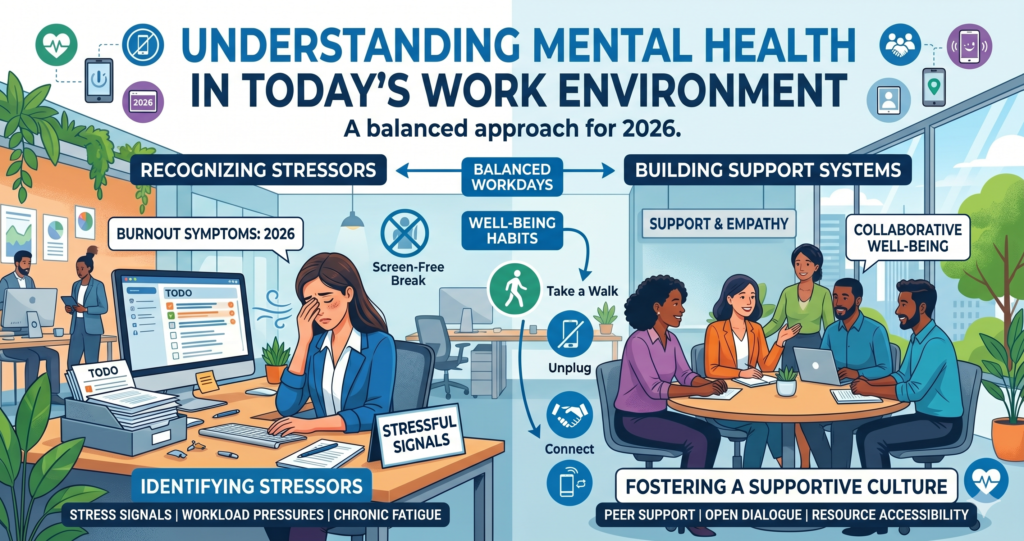
Mental health refers to an individual’s emotional, psychological, and social well-being. It influences how people think, feel, communicate, solve problems, and handle stress.
In today’s fast-paced professional environment, maintaining strong mental well-being has become increasingly difficult. Employees are expected to manage multiple communication channels, adapt to rapid technological changes, and maintain high levels of performance despite growing workplace pressures.
The concept of Health in the Modern Workplace extends beyond physical safety and healthcare benefits. It includes creating an environment where employees feel supported, connected, valued, and capable of managing their workloads without sacrificing their well-being.
Organizations that prioritize mental health often experience:
- Higher employee engagement
- Improved productivity
- Reduced absenteeism
- Lower turnover rates
- Stronger workplace culture
- Enhanced innovation and creativity
Conversely, neglecting mental health can result in increased burnout, reduced morale, and declining business performance.
The Rise of Digital Overload
Digital overload occurs when employees are overwhelmed by the volume of information, communication, and digital interactions they must manage daily.
Modern workers often spend their days switching between:
- Emails
- Instant messaging applications
- Video conferencing platforms
- Project management tools
- Collaboration software
- Social media channels
- AI-powered productivity systems
While these technologies improve communication, excessive usage can create mental strain.
Common Signs of Digital Overload
Employees experiencing digital overload may report:
- Difficulty concentrating
- Mental exhaustion
- Reduced productivity
- Increased stress levels
- Sleep disturbances
- Constant feelings of urgency
- Decision fatigue
The growing concern surrounding Health in the Modern Workplace is largely driven by these digital demands that continuously compete for employees’ attention.
2. How Constant Connectivity Affects Employee Well-Being
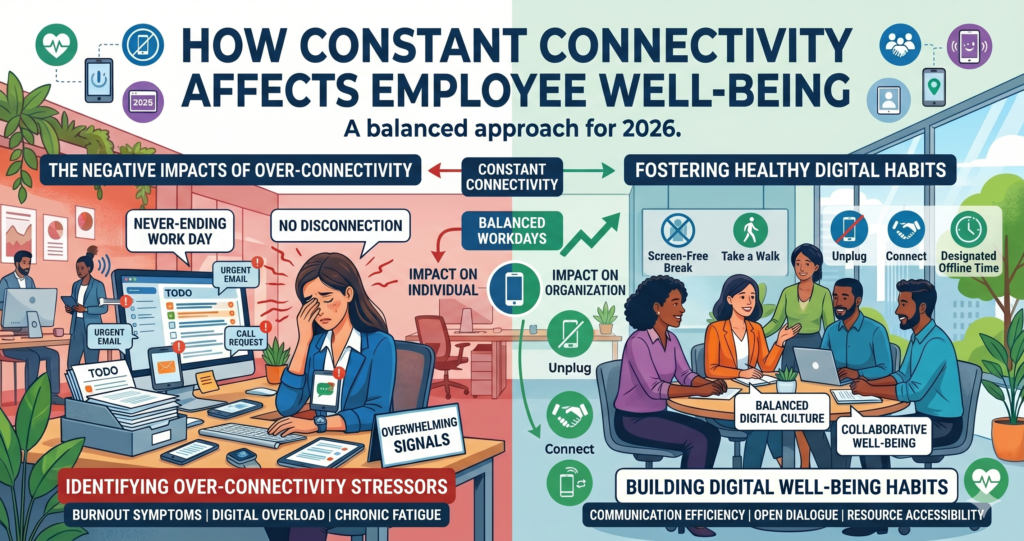
The traditional workday once had clear boundaries. Employees arrived at work, completed their tasks, and left the office at the end of the day.
Today, smartphones and cloud-based collaboration platforms have created an “always-on” culture.
Many professionals feel compelled to:
- Check emails after working hours
- Respond to messages during vacations
- Attend meetings across multiple time zones
- Remain available during evenings and weekends
This constant connectivity prevents employees from fully disconnecting and recovering from work-related stress.
Research consistently shows that insufficient recovery time contributes to:
- Burnout
- Anxiety
- Chronic stress
- Reduced job satisfaction
- Emotional exhaustion
Improving Health in the Modern Workplace requires organizations to establish healthier digital boundaries that protect employee well-being.
3. The Hidden Cost of Meeting Fatigue
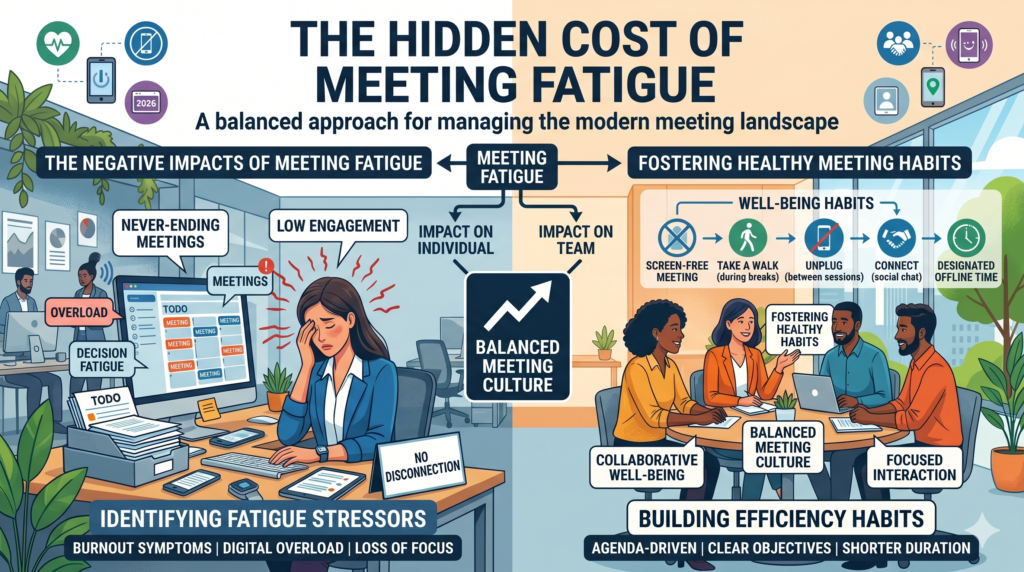
Video conferencing has become an essential component of modern work. However, excessive virtual meetings can negatively affect mental health.
Employees often spend several hours daily attending back-to-back meetings, leaving little time for focused work.
Common causes of meeting fatigue include:
Continuous Screen Exposure
Health in the Modern Workplace Extended screen time can lead to eye strain, headaches, and mental exhaustion.
Reduced Nonverbal Communication
Virtual interactions limit natural communication cues, requiring participants to expend more cognitive effort.
Performance Pressure
Many employees feel pressure to remain visually engaged throughout video meetings, increasing stress and self-consciousness.
Limited Recovery Time
Back-to-back meetings leave little opportunity for mental breaks.
Organizations seeking stronger Health in the Modern Workplace should evaluate meeting practices and prioritize efficiency over quantity.
4. Workplace Isolation in the Digital Age
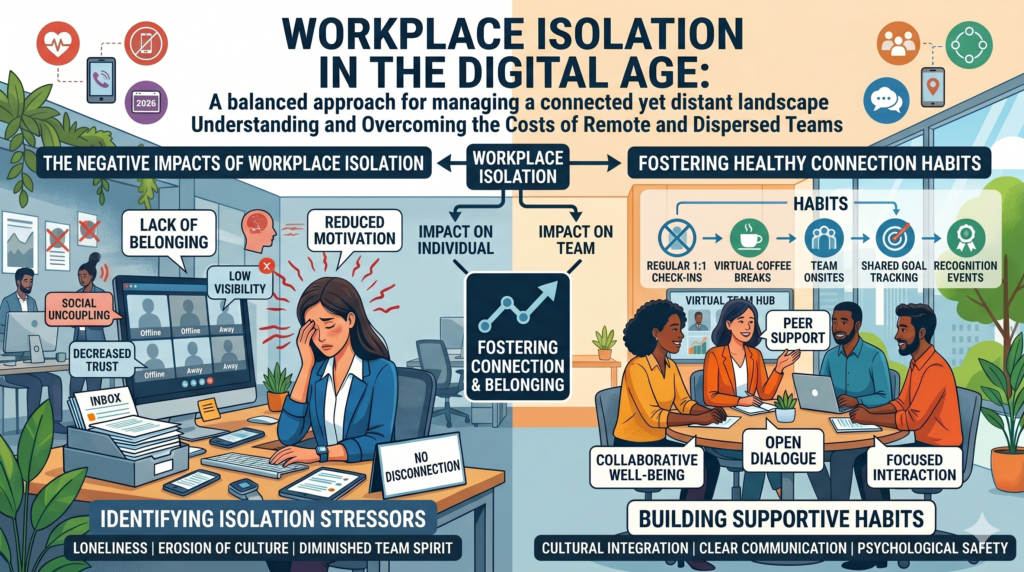
While remote and hybrid work models offer flexibility, they can also create feelings of isolation and disconnection.
Human beings are naturally social. Workplace relationships contribute significantly to emotional well-being, motivation, and job satisfaction.
When employees work remotely for extended periods, they may experience:
- Reduced social interaction
- Feelings of loneliness
- Lack of belonging
- Decreased collaboration
- Limited access to peer support
Workplace isolation has become a significant challenge affecting Health in the Modern Workplace, particularly among fully remote teams.
5. The Psychological Impact of Loneliness at Work
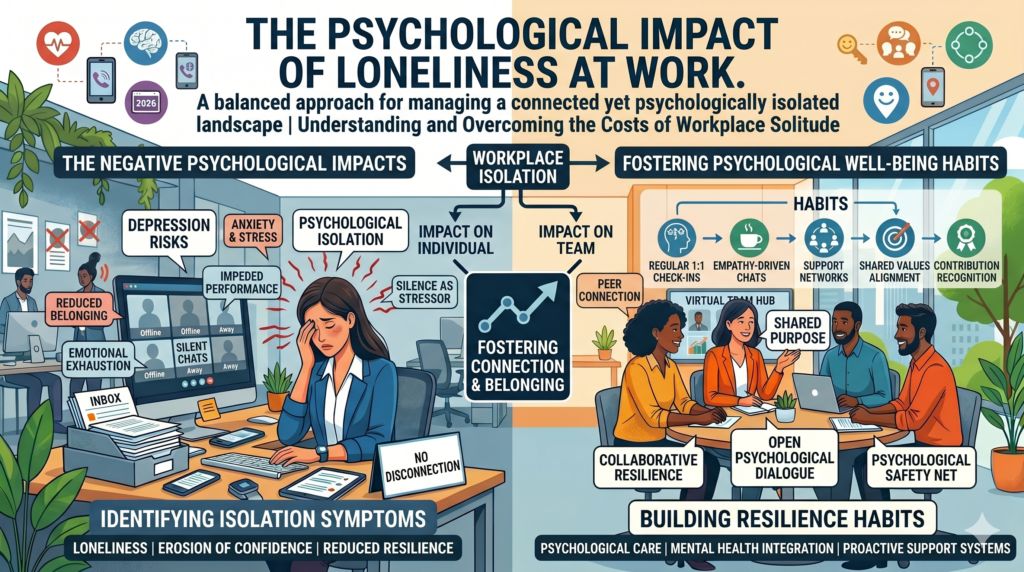
Loneliness is more than a temporary feeling. It can have serious psychological and physical consequences.
Employees who feel isolated may experience:
Increased Stress Levels
Lack of social support often amplifies workplace pressures.
Reduced Engagement
Disconnected employees may struggle to remain motivated and invested in organizational goals.
Lower Confidence
Isolation can limit opportunities for feedback, collaboration, and professional growth.
Greater Burnout Risk
Health in the Modern Workplace Employees without strong workplace connections often report higher levels of emotional exhaustion.
Strengthening social connections is an essential component of improving Health in the Modern Workplace.
6. Burnout: A Growing Workplace Challenge
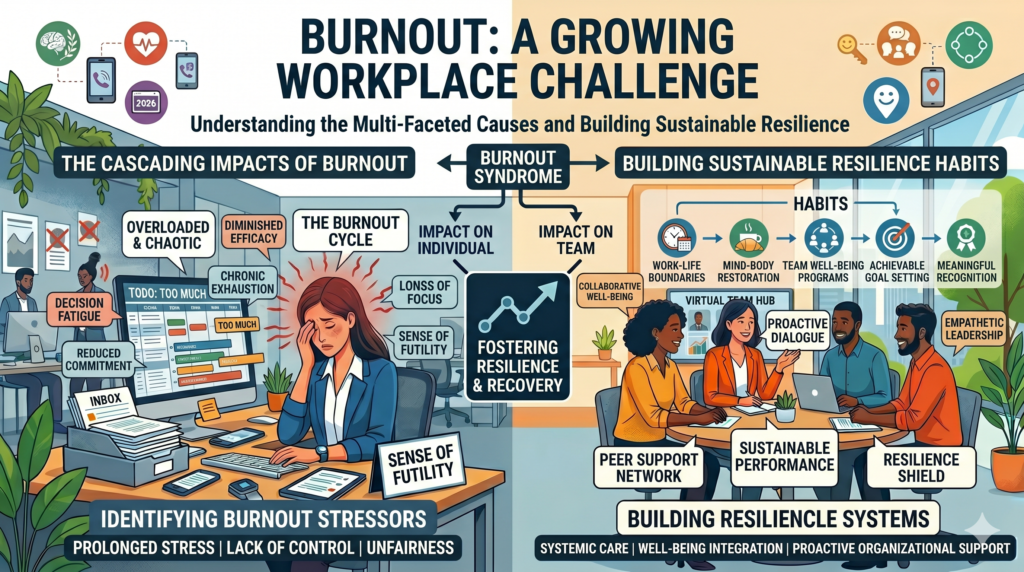
Burnout is a state of physical, emotional, and mental exhaustion caused by prolonged workplace stress.
The combination of digital overload and social isolation has significantly increased burnout risks across industries.
Common symptoms include:
- Chronic fatigue
- Cynicism toward work
- Reduced performance
- Emotional detachment
- Lack of motivation
- Difficulty concentrating
Burnout affects not only employees but also organizational outcomes, including productivity, customer satisfaction, and employee retention.
Companies committed to better Health in the Modern Workplace must proactively identify and address burnout before it becomes widespread.
7. Building a Mentally Healthy Workplace Culture
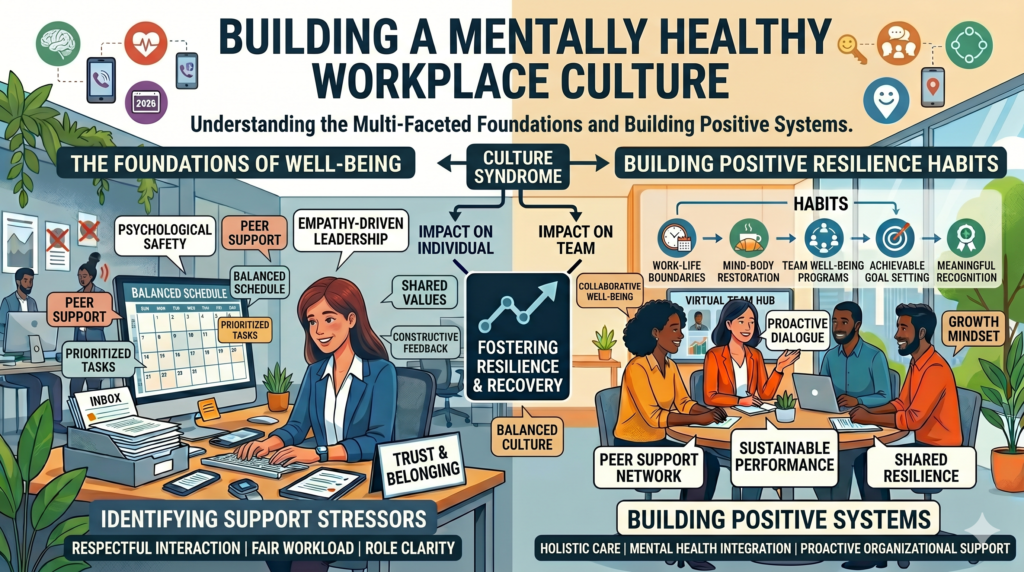
Creating a mentally healthy workplace requires intentional leadership and supportive organizational practices.
Encourage Open Conversations
Employees should feel comfortable discussing mental health concerns without fear of stigma or negative consequences.
Leaders can support this by:
- Promoting mental health awareness
- Sharing educational resources
- Normalizing conversations about well-being
Train Managers to Recognize Warning Signs
Managers often serve as the first line of support.
Training should help leaders identify:
- Burnout indicators
- Behavioral changes
- Stress-related performance issues
- Signs of isolation
Supporting employees early improves overall Health in the Modern Workplace and prevents larger organizational challenges.
8. Strategies to Reduce Digital Overload
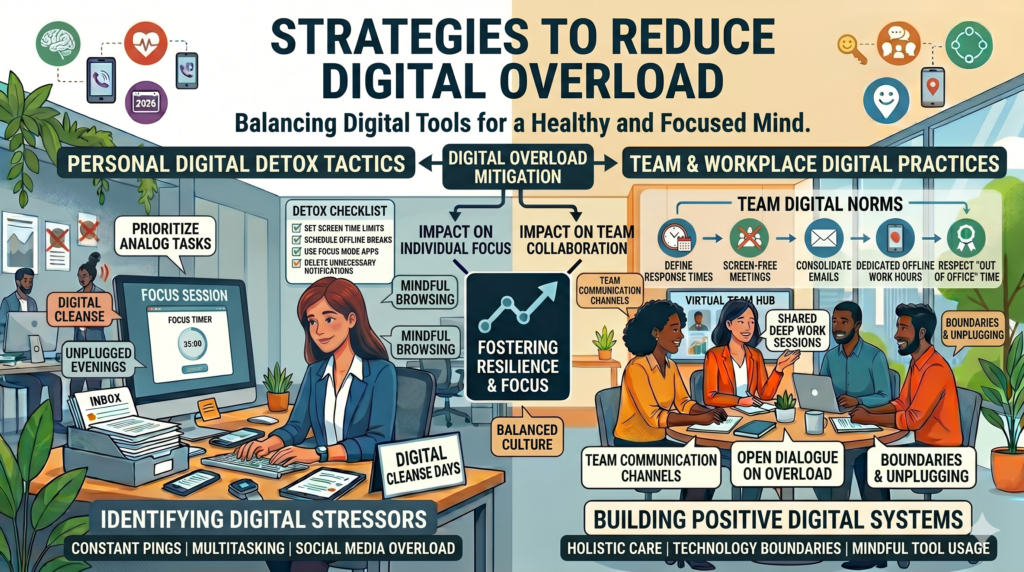
Organizations can take several practical steps to reduce digital fatigue.
Establish Communication Guidelines
Not every message requires an immediate response.
Companies should define:
- Expected response times
- Communication priorities
- Appropriate use of messaging platforms
Reduce Unnecessary Meetings
Evaluate whether meetings are truly necessary.
Questions to consider:
- Can this information be shared through email?
- Is every attendee required?
- Can meeting duration be shortened?
Promote Focus Time
Allow employees dedicated periods free from interruptions and meetings.
Focused work sessions improve productivity while reducing mental strain.
Encourage Digital Breaks
Short breaks throughout the day help employees recharge and maintain concentration.
These practices significantly improve Health in the Modern Workplace by reducing cognitive overload.
9. Creating Stronger Human Connections
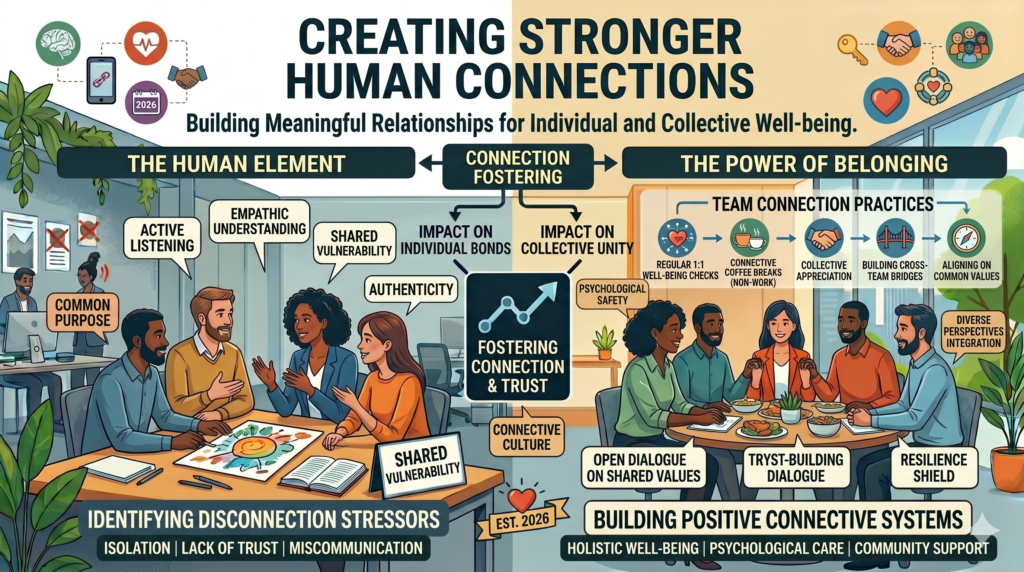
Technology should support collaboration, not replace meaningful relationships.
Organizations can strengthen connections through:
Team Building Activities
Virtual and in-person team-building events foster stronger workplace relationships.
Mentorship Programs
Mentorship creates valuable opportunities for guidance, support, and professional development.
Regular Check-Ins
Managers should schedule consistent one-on-one conversations focused on employee well-being, not just performance metrics.
Collaborative Projects
Cross-functional collaboration helps employees develop stronger professional networks.
Strengthening interpersonal relationships is essential for sustainable Health in the Modern Workplace.
10. The Role of Leadership in Mental Well-Being
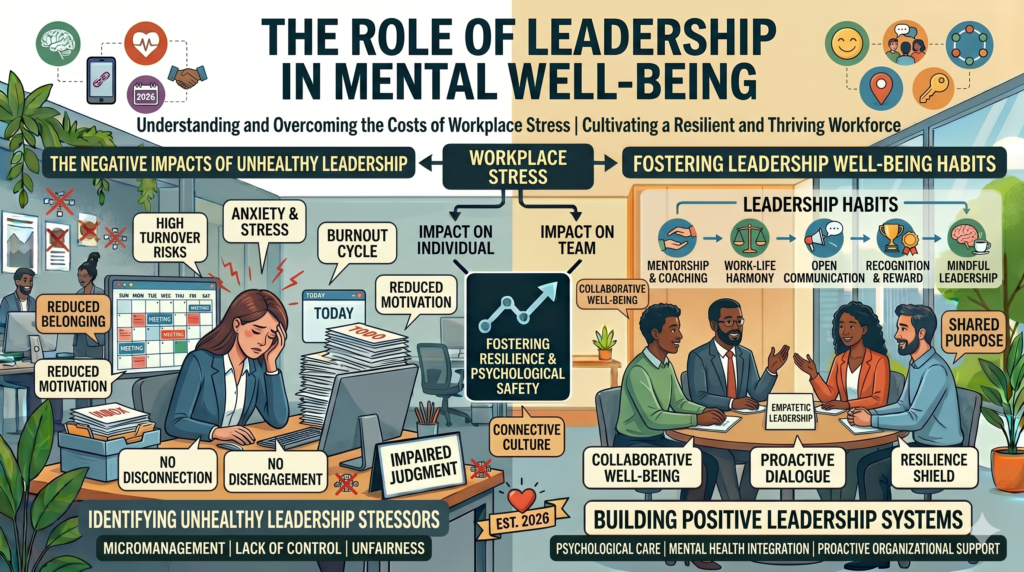
Leadership behavior directly influences workplace culture.
Employees often model the habits and expectations demonstrated by their leaders.
Effective leaders:
- Respect work-life boundaries
- Encourage time off
- Avoid after-hours communication
- Promote realistic workloads
- Demonstrate empathy
- Support employee development
When leaders prioritize well-being, employees feel more comfortable doing the same.
Strong leadership remains one of the most effective drivers of improved Health in the Modern Workplace.
11. Leveraging Technology Responsibly
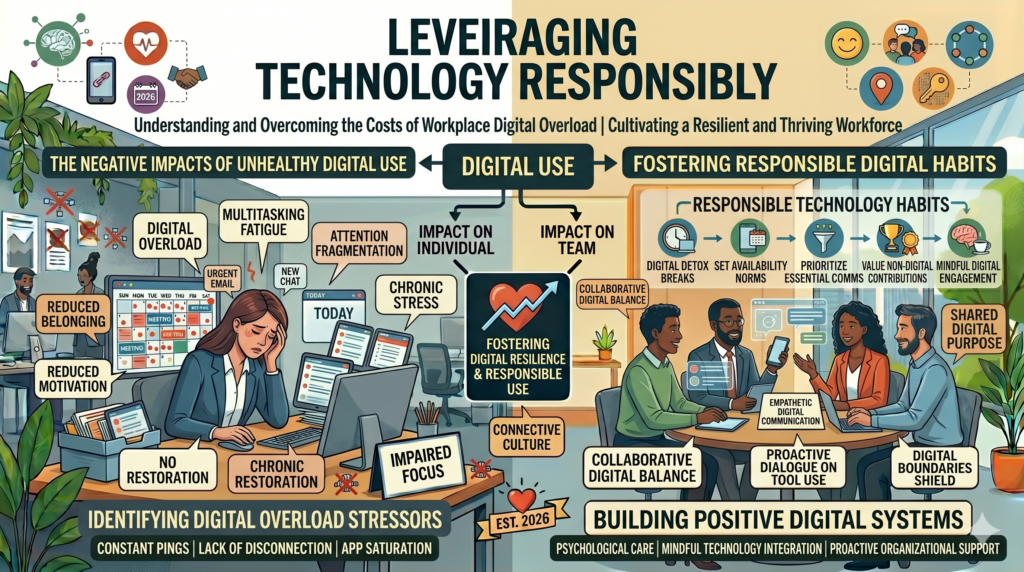
Technology itself is not the problem. The challenge lies in how organizations use it.
Businesses should leverage digital tools in ways that support employee well-being.
Examples include:
- AI-powered workload management
- Wellness applications
- Mental health support platforms
- Flexible collaboration tools
- Automated routine tasks
When implemented thoughtfully, technology can strengthen rather than undermine Health in the Modern Workplace.
12. Measuring Workplace Well-Being
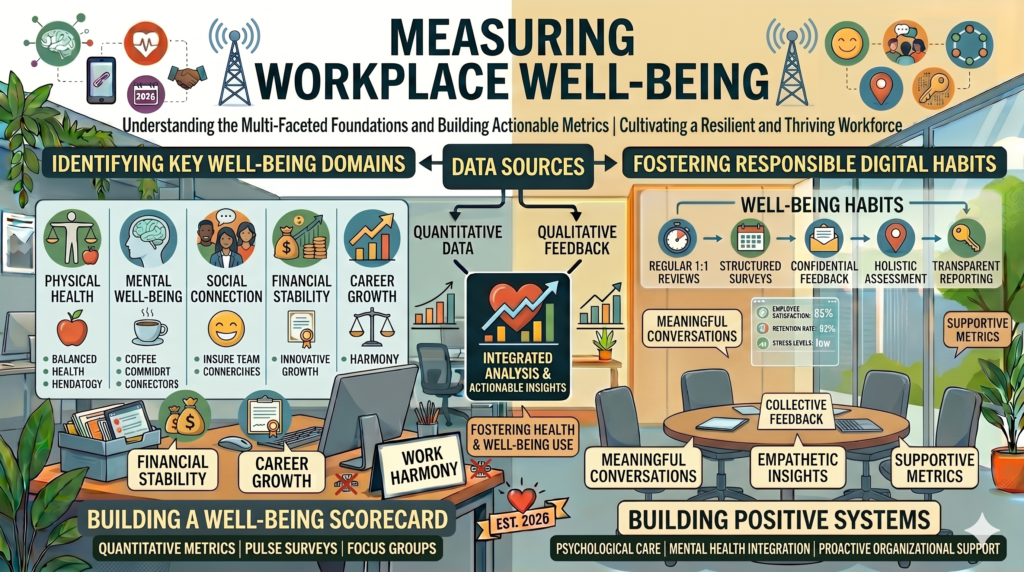
Organizations should regularly assess employee well-being to identify emerging challenges.
Useful measurement methods include:
Employee Surveys
Anonymous surveys provide valuable insights into stress levels, engagement, and workplace satisfaction.
Pulse Checks
Short, frequent surveys help monitor employee sentiment over time.
Retention Metrics
High turnover rates may indicate underlying well-being concerns.
Absenteeism Trends
Increased absenteeism can signal burnout or workplace stress.
Continuous monitoring helps organizations improve Health in the Modern Workplace through data-driven decision-making.
13. The Future of Workplace Mental Health
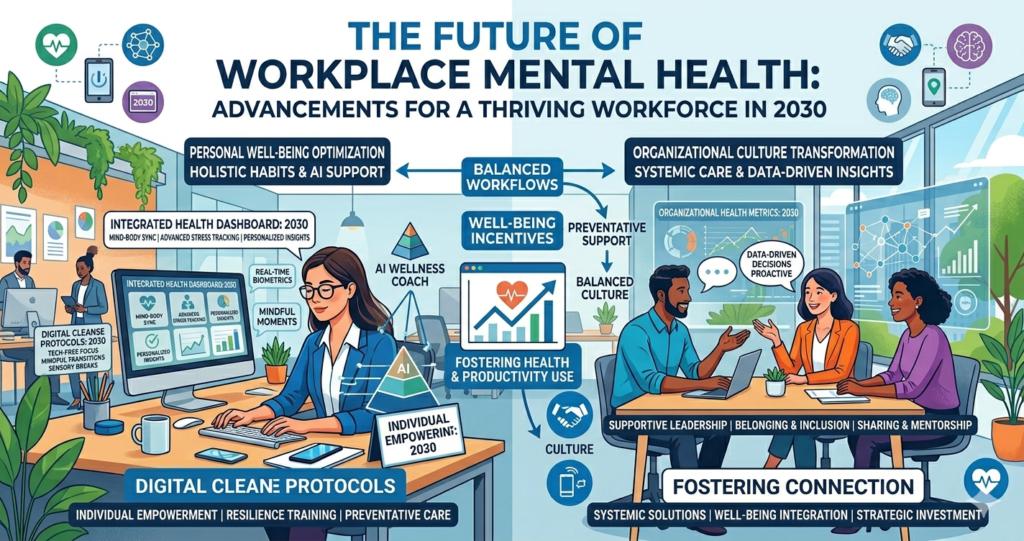
As workplaces continue evolving, mental health will remain a central business priority.
Future trends are likely to include:
- Expanded mental health benefits
- Greater workplace flexibility
- Increased use of well-being analytics
- AI-assisted workload optimization
- Personalized employee support programs
- Stronger emphasis on psychological safety
Organizations that invest in employee well-being today will be better positioned to attract talent, improve performance, and maintain long-term resilience.
The future of Health in the Modern Workplace will depend on balancing technological advancement with human connection, empathy, and sustainable work practices.
Conclusion
Digital transformation has created remarkable opportunities for productivity, innovation, and flexibility. However, it has also introduced challenges that cannot be ignored. Digital overload, constant connectivity, workplace isolation, and burnout are increasingly affecting employees across every industry.
Addressing these challenges requires more than wellness programs or occasional initiatives. Organizations must create cultures that prioritize communication, connection, balance, and psychological safety.
By establishing healthier digital habits, encouraging meaningful workplace relationships, supporting mental health conversations, and empowering leaders to model positive behaviors, businesses can significantly improve Health in the Modern Workplace.
The organizations that succeed in the coming years will be those that recognize a simple truth: employee well-being is not separate from business success—it is one of its most important foundations.
Also Read Our other Blogs: Preparing for the Future: AI, Voice Search, and Interactive Content Marketing Strategy from Scratch
