
Introduction
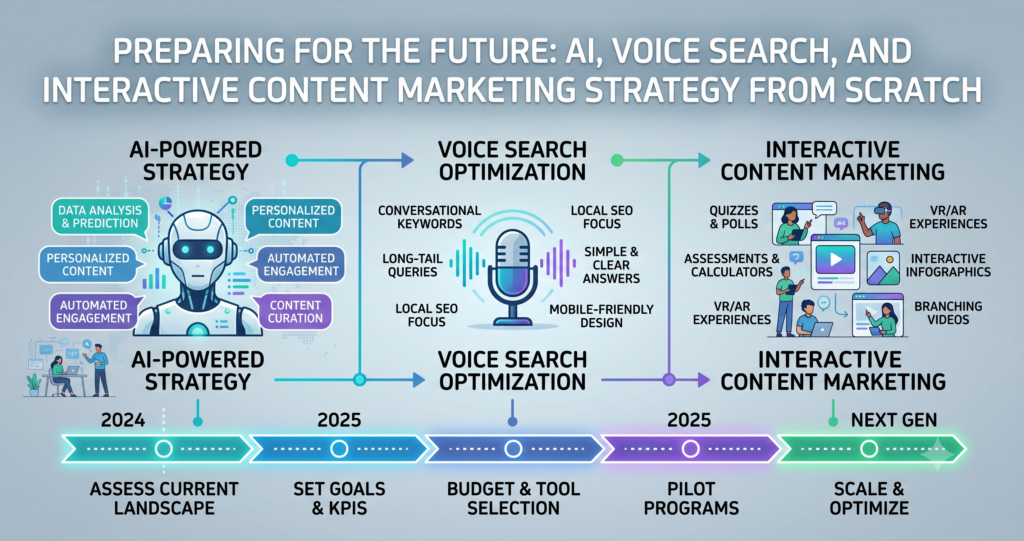
The digital marketing landscape is evolving faster than ever. Businesses that once relied solely on blogs, social media posts, and email campaigns are now facing a future shaped by artificial intelligence, voice search technology, and interactive experiences. As consumer behavior changes, brands must adapt to remain visible, relevant, and competitive.
A modern Content Marketing Strategy is no longer limited to publishing articles and hoping for traffic. Today’s successful strategies incorporate AI-powered personalization, voice-search optimization, and engaging interactive content that keeps audiences involved throughout their customer journey.
Whether you are a startup, small business owner, or marketing professional, understanding these emerging trends is essential for building sustainable growth. This guide explores how to create a future-ready Content Marketing Strategy from scratch while leveraging the latest innovations in digital marketing.
Table of Contents
Do Checkout: https://searchengineland.com/
1. Why Content Marketing Is Changing
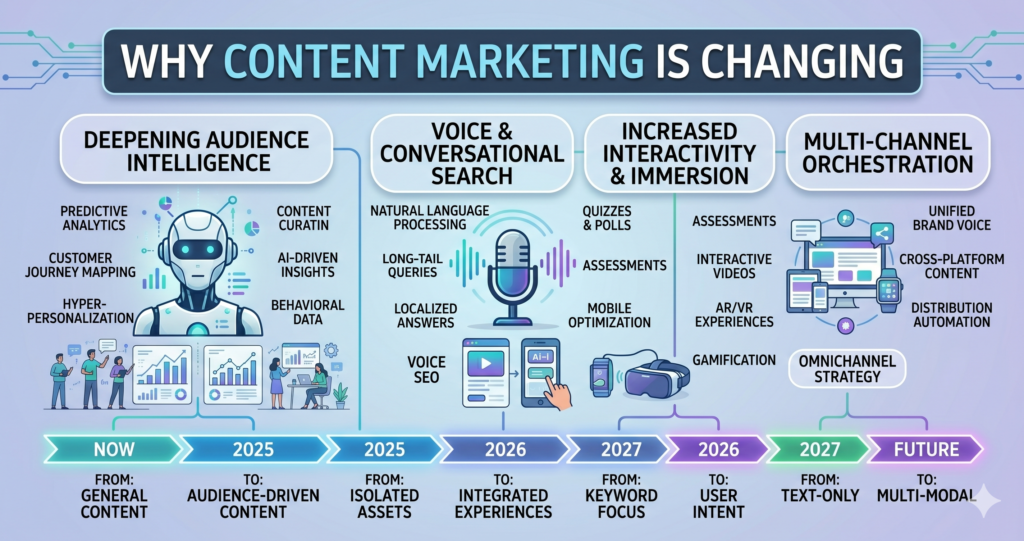
Consumer expectations have dramatically shifted over the past few years. Users want instant answers, personalized recommendations, and engaging experiences across multiple platforms.
Several factors are driving this transformation:
- Increased adoption of AI-powered tools
- Growing use of voice assistants
- Demand for personalized experiences
- Shorter attention spans
- Mobile-first browsing habits
- Interactive and visual content preferences
As a result, businesses must rethink their traditional Content Marketing Strategy and focus on creating meaningful, user-centric experiences.
2. Understanding the Foundation of a Modern Content Marketing Strategy
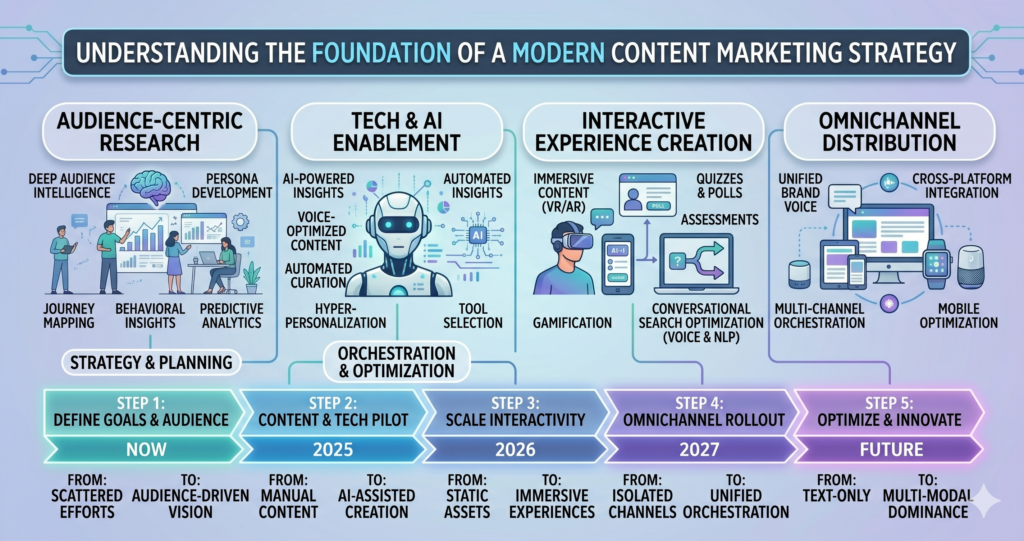
Before diving into AI and voice search, it is important to understand the fundamentals.
A successful Content Marketing Strategy includes:
Clear Business Goals
Define what you want to achieve:
- Brand awareness
- Lead generation
- Customer retention
- Product sales
- Community building
Every piece of content should support these objectives.
Audience Research
Understanding your audience helps create relevant content.
Identify:
- Demographics
- Pain points
- Interests
- Online behavior
- Preferred content formats
The better you understand your audience, the more effective your Content Marketing Strategy becomes.
Content Planning
Develop a content calendar that aligns with customer needs and seasonal trends.
Include:
- Blog posts
- Videos
- Podcasts
- Infographics
- Case studies
- Interactive content
Consistency remains a key factor in content success.
3. The Role of AI in Content Marketing
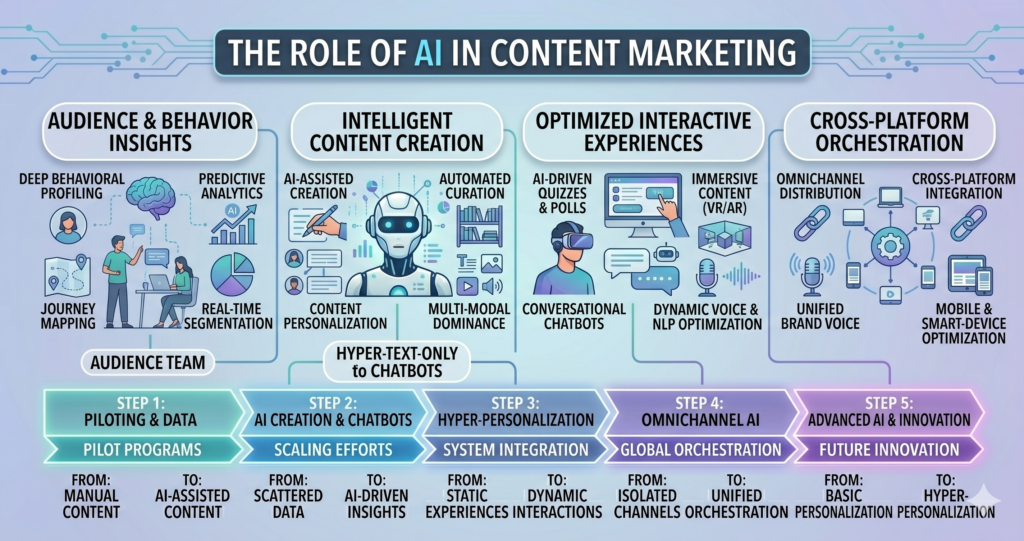
Artificial Intelligence is transforming every aspect of digital marketing.
From content creation to analytics, AI helps marketers work smarter and deliver better results.
AI-Powered Content Creation
Modern AI tools can assist with:
- Topic generation
- Content outlines
- Keyword research
- Draft creation
- Content optimization
Rather than replacing human creativity, AI enhances productivity and efficiency.
A forward-thinking Content Marketing Strategy uses AI as a supportive tool while maintaining authentic human insights.
AI Personalization
Consumers expect personalized experiences.
AI can analyze:
- Browsing behavior
- Purchase history
- Engagement patterns
- Content preferences
This data helps deliver:
- Personalized recommendations
- Dynamic website content
- Targeted emails
- Customized landing pages
Personalization significantly improves engagement and conversion rates.
Predictive Analytics
AI-powered analytics can predict future trends and customer behavior.
Benefits include:
- Better content planning
- Improved campaign performance
- Enhanced audience targeting
- Reduced marketing costs
Businesses that incorporate predictive insights gain a competitive advantage.
4. Voice Search and the Future of Search Optimization
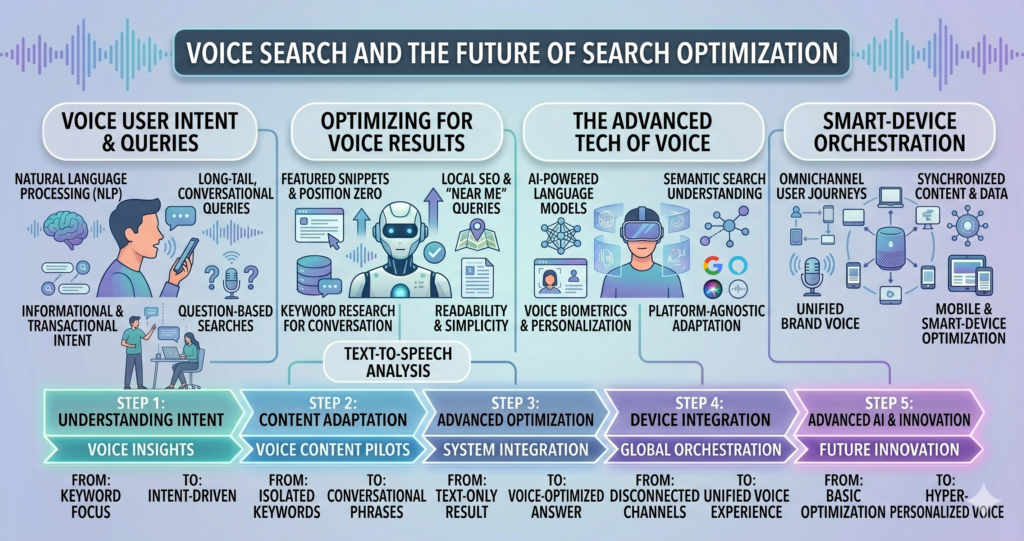
Voice search continues to grow with the popularity of smart speakers and virtual assistants.
People now use voice commands to:
- Search for products
- Find local businesses
- Ask questions
- Make purchases
This shift requires marketers to rethink SEO practices.
How Voice Search Differs from Traditional Search
Traditional search:
- “Best content marketing tools”
Voice search:
- “What are the best content marketing tools for small businesses?”
Voice searches are:
- Longer
- More conversational
- Question-based
- Intent-focused
A modern Content Marketing Strategy must accommodate these changes.
Optimizing Content for Voice Search
Use Natural Language
Write content that mirrors how people speak.
Instead of:
“Content marketing benefits”
Use:
“What are the benefits of content marketing for growing businesses?”
Focus on Question-Based Keywords
Common formats include:
- What
- Why
- When
- How
- Where
Examples:
- How does AI improve content marketing?
- What is the best content marketing strategy for startups?
These questions align with voice search behavior.
Create FAQ Sections
FAQ pages help search engines understand content clearly.
Example:
Q: Why is a Content Marketing Strategy important?
A: A Content Marketing Strategy helps businesses attract, engage, and convert audiences through valuable content aligned with business goals.
Optimize for Featured Snippets
Voice assistants often pull answers from featured snippets.
To increase your chances:
- Use concise answers
- Create structured content
- Use headings properly
- Include numbered lists
5. Interactive Content: The New Engagement Engine
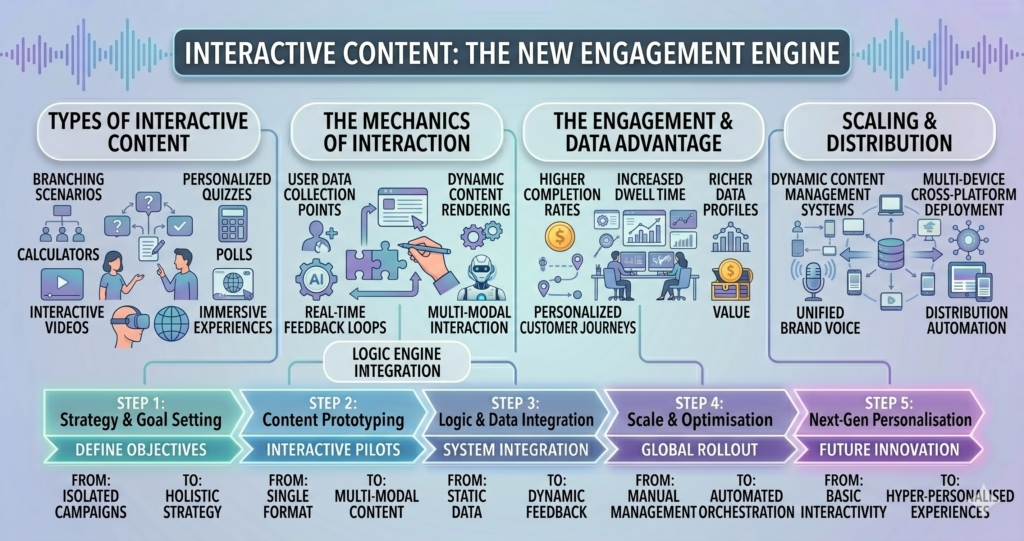
Traditional content is becoming less effective at holding audience attention.
Interactive content encourages participation rather than passive consumption.
Examples include:
- Quizzes
- Surveys
- Calculators
- Polls
- Interactive videos
- Assessments
- Interactive infographics
A successful Content Marketing Strategy increasingly relies on these formats.
Why Interactive Content Works
Interactive experiences create stronger engagement because users actively participate.
Benefits include:
Higher Engagement
People spend more time interacting with content than simply reading.
Better Lead Generation
Interactive tools often collect valuable user information.
Improved Personalization
Responses help marketers understand audience preferences.
Increased Sharing
Interactive experiences are more likely to be shared on social media.
6. Interactive Content Ideas for Businesses
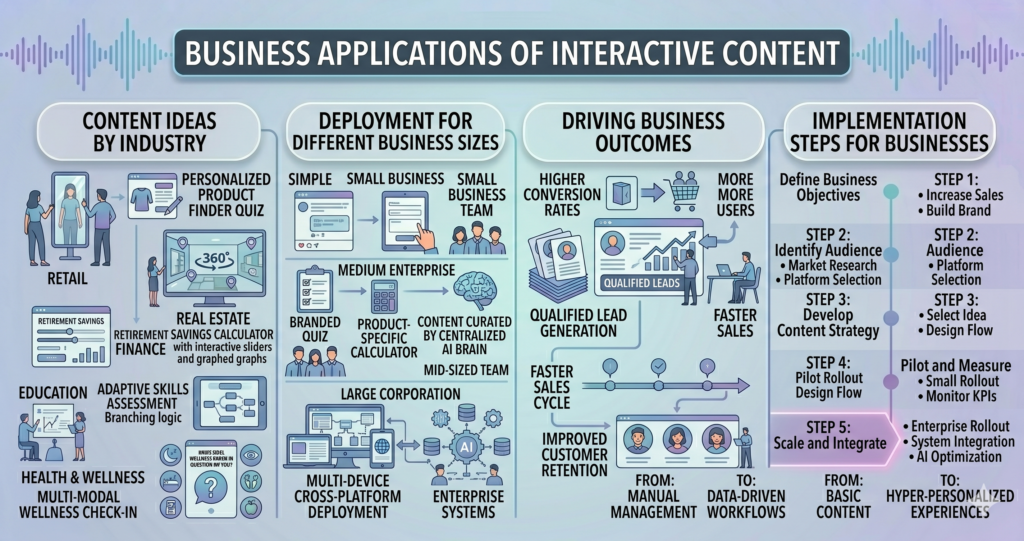
ROI Calculators
Help potential customers estimate savings or returns.
Popular industries:
- SaaS
- Finance
- Marketing
- Real estate
Product Recommendation Quizzes
Guide users toward suitable products based on their needs.
Benefits:
- Better customer experience
- Higher conversion rates
- Reduced decision fatigue
Industry Assessments
Evaluate users and provide personalized recommendations.
Examples:
- SEO score assessment
- Marketing maturity assessment
- Website performance checker
These tools strengthen any Content Marketing Strategy focused on lead generation.
7. Building a Future-Proof Content Marketing Strategy
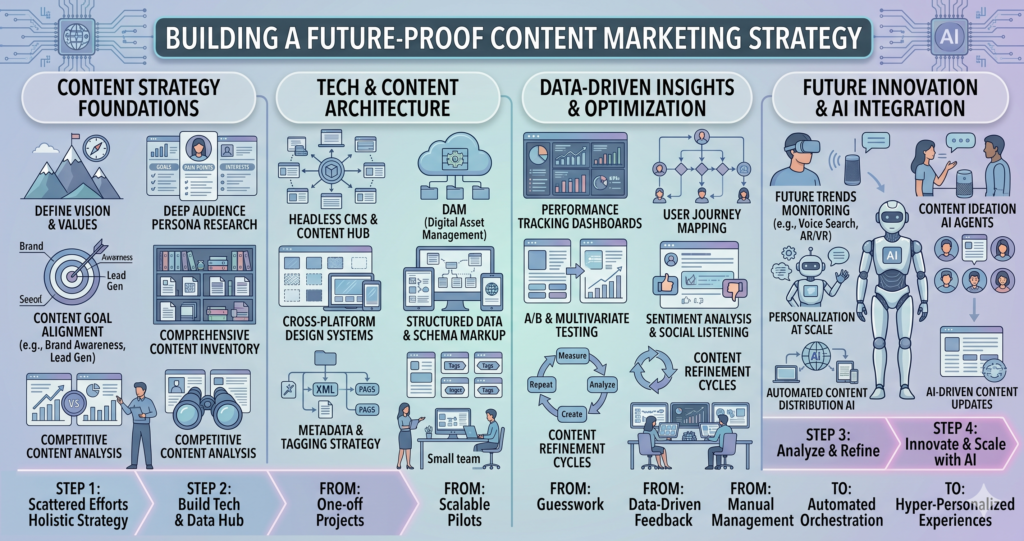
Now let’s combine AI, voice search, and interactive content into a practical framework.
Step 1: Define Your Audience Journey
Map every stage:
Awareness
Content examples:
- Educational blogs
- Social media posts
- Videos
Consideration
Content examples:
- Case studies
- Comparison guides
- Webinars
Decision
Content examples:
- Product demos
- Testimonials
- Free trials
A complete Content Marketing Strategy addresses every stage.
Step 2: Conduct Advanced Keyword Research
Modern keyword research should include:
Traditional Keywords
Examples:
- Content marketing strategy
- Digital marketing
Long-Tail Keywords
Examples:
- How to build a content marketing strategy
- Content marketing strategy for startups
Voice Search Queries
Examples:
- What is the best content marketing strategy for small businesses?
This approach captures multiple search opportunities.
Step 3: Create Multi-Format Content
Today’s audiences consume information differently.
Repurpose one topic into:
- Blog articles
- Short videos
- Podcasts
- Infographics
- Social posts
- Interactive tools
This maximizes content reach and ROI.
Step 4: Leverage AI Tools
AI can assist with:
- Content planning
- Audience segmentation
- Performance analysis
- Personalization
However, human oversight remains essential for maintaining authenticity and brand voice.
Step 5: Prioritize User Experience
Search engines increasingly reward positive user experiences.
Focus on:
- Fast loading pages
- Mobile responsiveness
- Clear navigation
- Accessibility
- Readable layouts
An effective Content Marketing Strategy always prioritizes users first.
8. Measuring Success in the AI Era
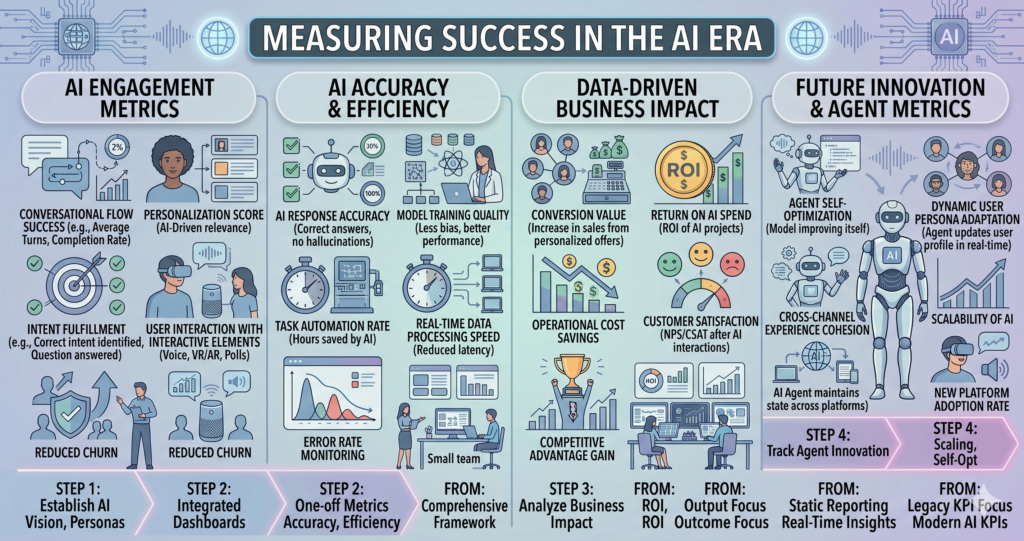
Data-driven decision-making is becoming more important than ever.
Track key performance indicators such as:
Traffic Metrics
- Organic traffic
- Referral traffic
- Direct traffic
Engagement Metrics
- Time on page
- Bounce rate
- Scroll depth
- Comments
Conversion Metrics
- Leads generated
- Email signups
- Product purchases
- Demo requests
Interactive Content Metrics
Monitor:
- Quiz completions
- Survey participation
- Tool usage rates
- Interaction duration
These insights help refine your Content Marketing Strategy over time.
9. Common Mistakes to Avoid
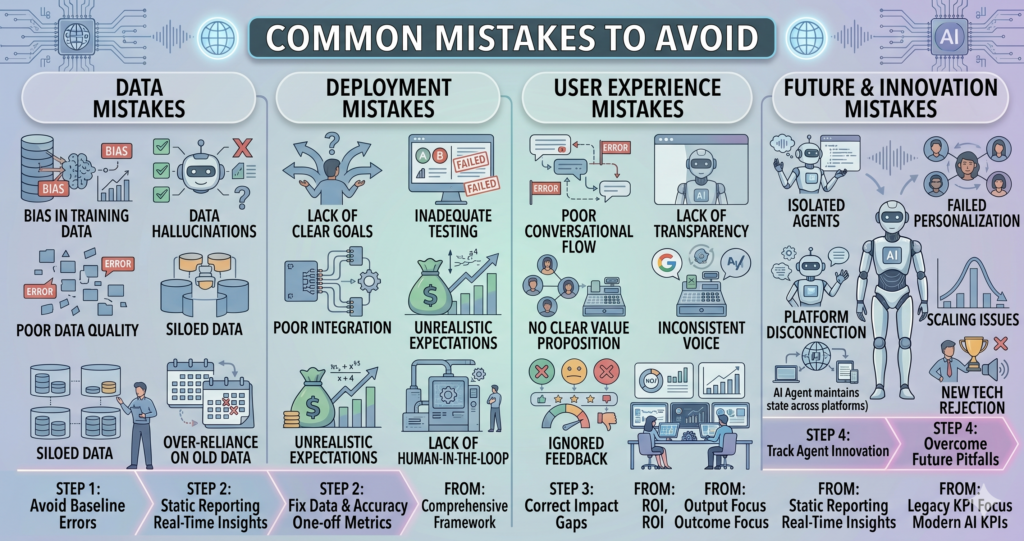
As businesses adopt emerging technologies, several mistakes frequently occur.
Over-Reliance on AI
AI should support content creation, not replace human expertise.
Always review and improve AI-generated content.
Ignoring Voice Search
Many brands still optimize only for traditional search.
Voice search adoption continues to grow and should not be overlooked.
Creating Content Without Strategy
Publishing random content rarely produces consistent results.
Every piece should align with your overall Content Marketing Strategy.
Neglecting User Intent
Traffic alone is not enough.
Focus on solving audience problems and answering their questions.
Avoiding Interactive Experiences
Static content alone may struggle to maintain engagement in competitive markets.
Interactive formats can significantly improve performance.
10. Future Trends to Watch
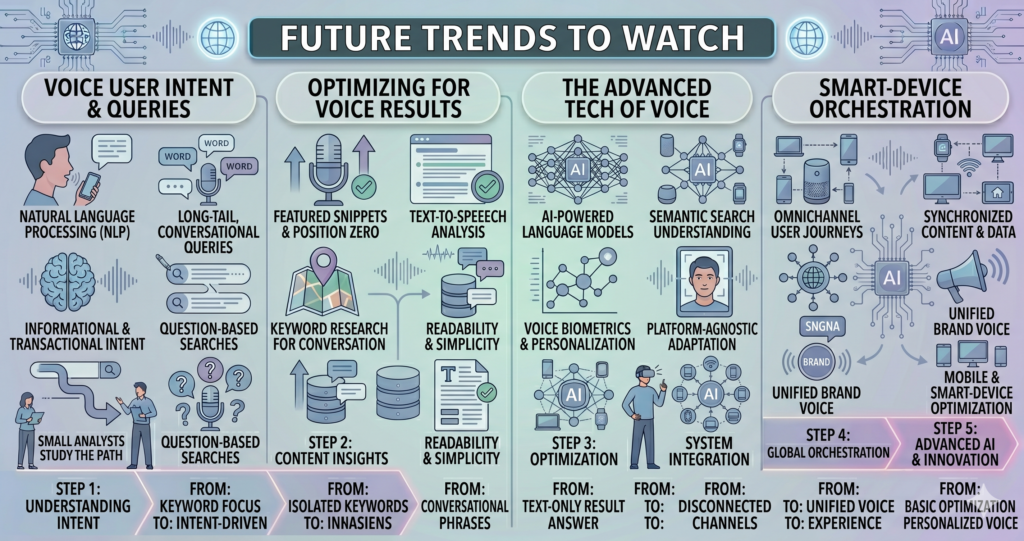
The future of digital marketing will continue evolving.
Key trends include:
Hyper-Personalization
AI will deliver increasingly customized experiences.
Conversational Search
Voice search and AI assistants will become primary discovery channels.
AI-Powered Content Optimization
Real-time content adjustments will improve relevance and performance.
Interactive Customer Experiences
Brands will create immersive and engaging digital journeys.
Predictive Content Marketing
AI will identify audience needs before users actively search.
Businesses that embrace these innovations will build stronger market positions.
Conclusion
The future of marketing belongs to organizations that combine technology with meaningful customer experiences. AI, voice search, and interactive content are no longer experimental concepts—they are becoming essential components of modern marketing success.
Building a successful Content Marketing Strategy from scratch requires a clear understanding of your audience, strategic content planning, effective use of AI, voice-search optimization, and engaging interactive experiences. When these elements work together, businesses can attract more visitors, improve engagement, generate qualified leads, and drive long-term growth.
As digital behavior continues to evolve, marketers who adapt early will gain a significant competitive advantage. By investing in a future-ready Content Marketing Strategy today, businesses can position themselves for sustainable success in the rapidly changing digital landscape.
Also Read Our other Blogs: The Psychology of Design: Designing for the Future in UX, UI, CX, Sustainability, and Modern Digital Experiences
