
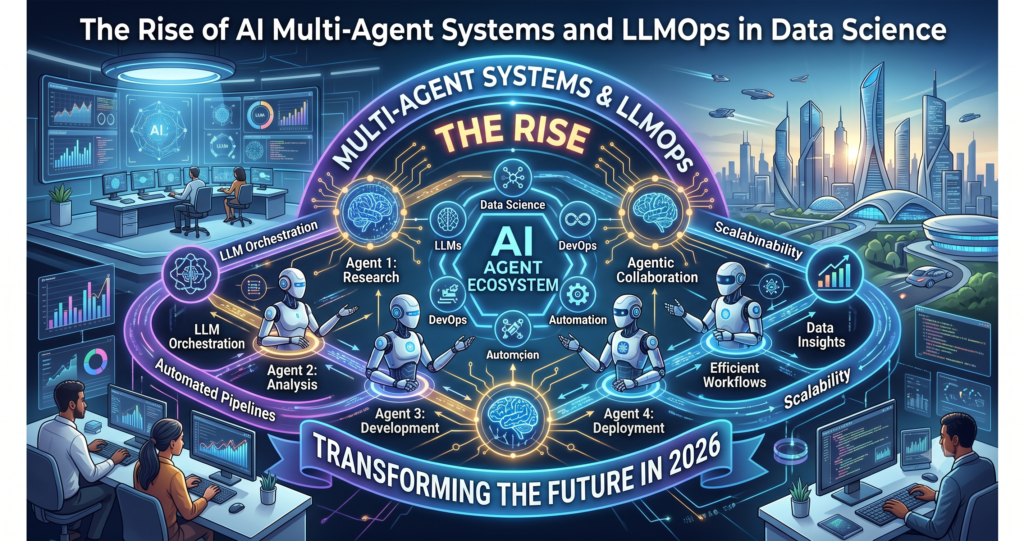
The rapid advancement of artificial intelligence is reshaping industries worldwide, creating new opportunities for organizations to extract value from information. At the heart of this transformation lies data science, a discipline that combines statistics, machine learning, programming, and domain expertise to uncover actionable insights from complex datasets.
As businesses collect larger volumes of structured and unstructured data, traditional AI workflows are facing increasing pressure. Teams are expected to deliver faster insights, automate repetitive tasks, and deploy sophisticated models at scale. This growing demand has led data science to the emergence of two powerful innovations: AI Multi-Agent Systems and LLMOps.
Together, these technologies are revolutionizing how modern analytics platforms operate. Multi-Agent Systems enable multiple intelligent agents to collaborate on tasks, while LLMOps provides the governance, monitoring, and operational frameworks required to manage Large Language Models effectively.
This evolution is creating a new era for data science, where intelligent systems can automate workflows, improve decision-making, and accelerate business outcomes.
Table of Contents
Do Checkout: https://kubernetes.io?utm_source=chatgpt.com
1. What Are AI Multi-Agent Systems?
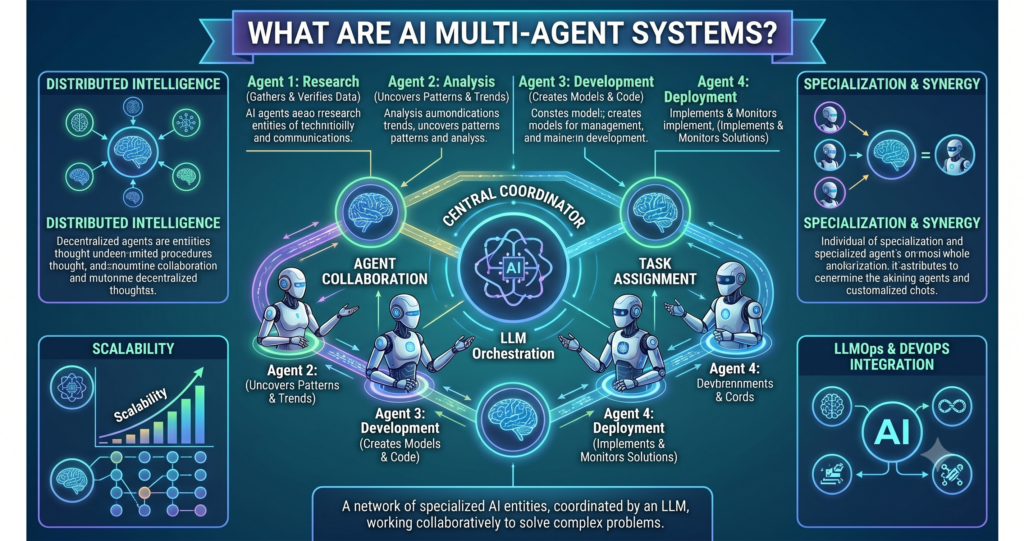
AI Multi-Agent Systems consist of multiple autonomous agents that work together to achieve shared goals. Unlike traditional data science systems that rely on a single model, Multi-Agent Systems distribute responsibilities among specialized agents.
Each agent can perform a unique function such as:
- Data ingestion
- Data preparation
- Feature engineering
- Model selection
- Performance monitoring
- Report generation
- Decision support
These agents communicate with one another, exchange information, and coordinate actions to solve complex problems efficiently.
For example, data science in a modern analytics environment, one agent may gather customer information, another may clean and validate the dataset, while a third agent builds predictive models. This collaborative approach significantly improves productivity and scalability.
As organizations continue expanding their AI initiatives, Multi-Agent Systems are becoming an essential component of advanced data science infrastructures.
2. Understanding LLMOps
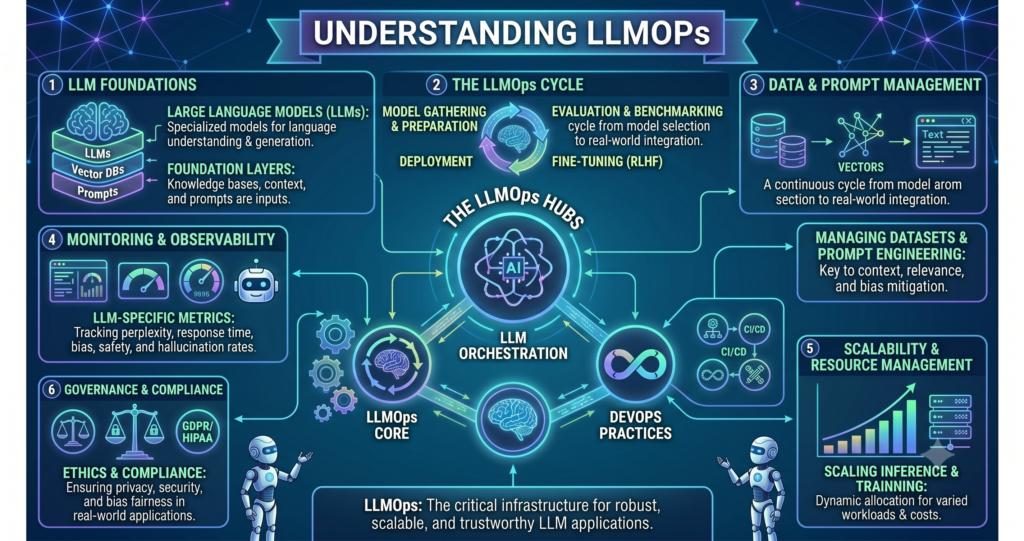
Large Language Models have become a critical part of enterprise AI strategies. However, deploying and maintaining these models requires specialized operational practices.
LLMOps, short for Large Language Model Operations, focuses on managing the complete lifecycle of language models. Similar to how MLOps supports machine learning deployment, LLMOps provides the processes needed to ensure reliable and scalable AI systems.
Key components include:
- Model deployment
- Prompt management
- Performance monitoring
- Version control
- Security management
- Governance frameworks
- Cost optimization
By implementing LLMOps, organizations can maintain consistency, reliability, and compliance while integrating generative AI into business workflows.
The combination of LLMOps and data science creates a strong foundation for building enterprise-grade AI solutions.
3. Why These Technologies Matter
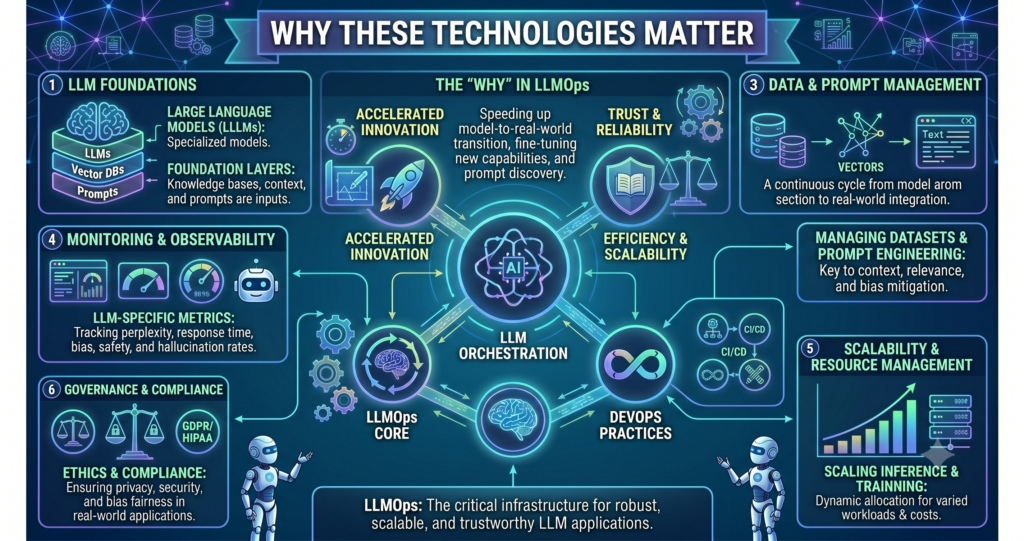
Modern organizations face increasingly complex analytical challenges. Massive datasets, real-time requirements, and growing customer expectations demand more sophisticated approaches.
Traditional workflows often struggle with:
- Manual bottlenecks
- Long development cycles
- Limited scalability
- Model maintenance issues
- Inconsistent performance
AI Multi-Agent Systems and LLMOps address these challenges by introducing automation, intelligence, and operational discipline.
For teams working in data science, this means less time spent on repetitive tasks and more time focused on innovation and strategic decision-making.
4. Key Benefits of AI Multi-Agent Systems
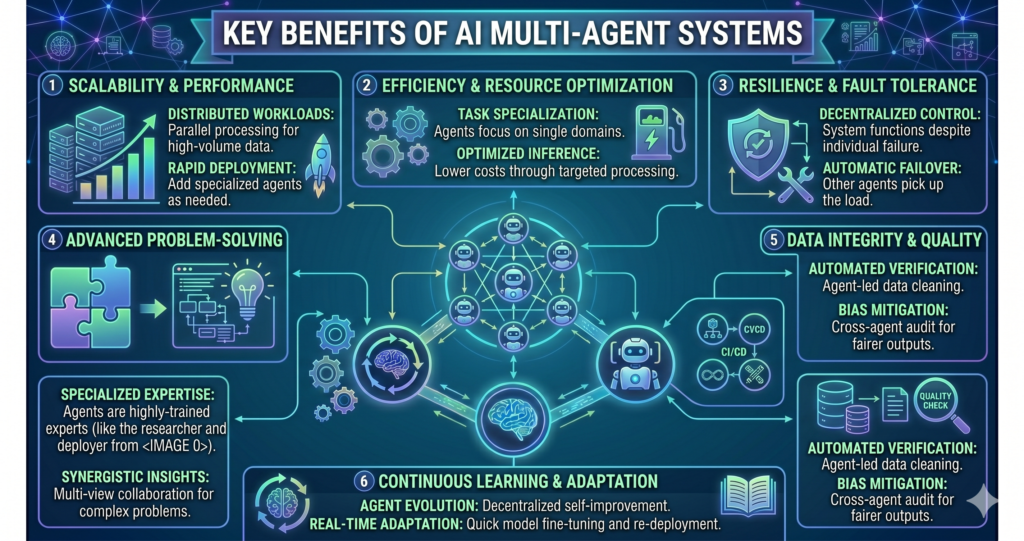
Enhanced Automation
Automation is one of the most significant data science advantages of Multi-Agent Systems.
Specialized agents can independently perform tasks such as:
- Collecting information
- Validating datasets
- Running analytical models
- Generating business reports
This reduces manual effort and improves efficiency across projects.
Improved Scalability
As organizations continue generating larger volumes of information, scalability becomes increasingly important.
Data science Multi-Agent Systems distribute workloads across multiple agents, enabling teams to process information more effectively without significantly increasing operational costs.
This capability is especially valuable for large-scale data science initiatives that require continuous analysis.
Faster Insights
Business leaders often need immediate answers to make critical decisions.
Intelligent agents can continuously analyze incoming information and provide real-time recommendations, helping organizations respond quickly to changing conditions.
Better Accuracy
Specialized agents focus on individual tasks, allowing them to achieve higher levels of precision.
Improved data quality, enhanced model performance, and reduced errors contribute to more reliable analytical outcomes.
Adaptive Learning
Many Multi-Agent Systems are designed to learn from previous interactions and improve over time.
This adaptability makes them highly effective in dynamic environments where patterns and behaviors frequently change.
5. The Role of LLMOps in Modern Analytics
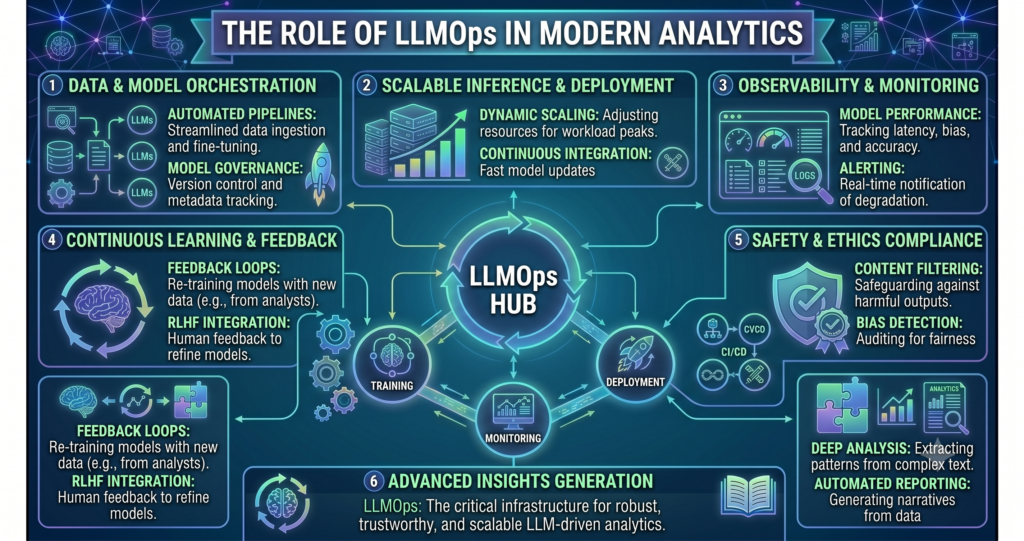
While intelligent agents provide automation, LLMOps ensures operational stability.
Governance and Compliance
Organizations must increasingly comply with regulations related to privacy, transparency, and AI accountability.
LLMOps helps establish:
- Audit trails
- Access controls
- Documentation standards
- Compliance monitoring
These capabilities reduce operational risks and support responsible AI deployment.
Continuous Monitoring
AI models can experience performance degradation over time due to changing data patterns.
LLMOps enables organizations to monitor:
- Response quality
- Model drift
- System latency
- Resource consumption
Continuous monitoring ensures that analytical systems remain effective and reliable.
Prompt Management
Prompt engineering plays a crucial role in generative AI applications.
LLMOps provides structured methods for:
- Testing prompts
- Tracking results
- Optimizing performance
- Maintaining consistency
These practices improve the overall effectiveness of language models within enterprise environments.
Cost Efficiency
Running large AI models can be expensive.
Through resource optimization and usage monitoring, LLMOps helps organizations control infrastructure costs while maximizing business value.
6. Real-World Applications
Healthcare
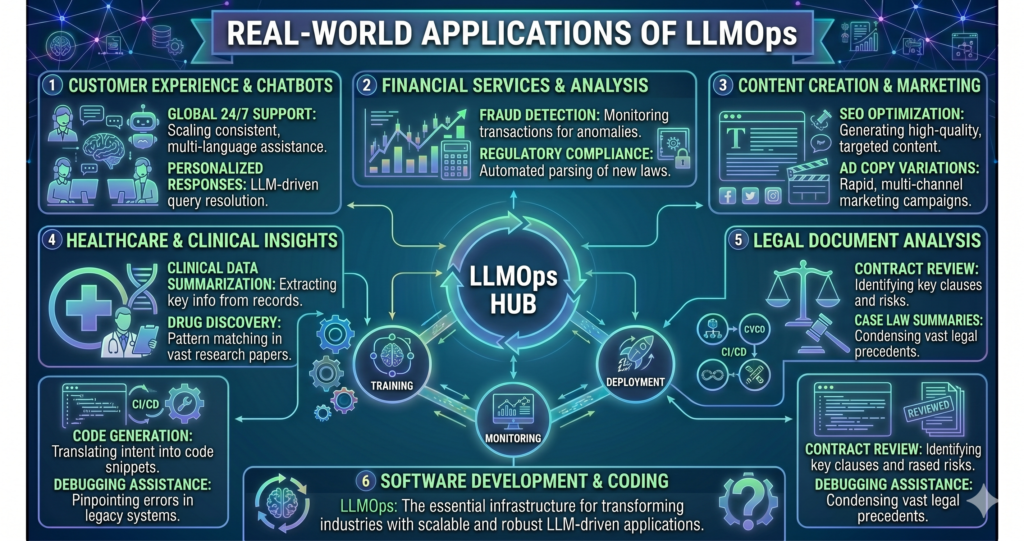
Healthcare organizations generate enormous amounts of patient and operational information.
Multi-Agent Systems can assist with:
- Clinical documentation
- Patient risk analysis
- Treatment recommendations
- Medical research support
Combined with LLMOps, these capabilities create secure and scalable healthcare solutions.
Financial Services
Financial institutions rely heavily on predictive analytics and intelligent automation.
Applications include:
- Fraud detection
- Credit risk assessment
- Customer segmentation
- Market forecasting
Advanced data science platforms powered by AI agents enable faster and more accurate decision-making.
Retail and E-Commerce
Retail businesses use AI-driven analytics to improve customer experiences and operational efficiency.
Common use cases include:
- Personalized recommendations
- Inventory optimization
- Demand forecasting
- Customer sentiment analysis
These capabilities help organizations remain competitive in rapidly evolving markets.
Manufacturing
Manufacturers are increasingly adopting intelligent systems to improve operational performance.
AI agents can monitor:
- Production lines
- Equipment health
- Supply chains
- Quality assurance processes
The result is greater efficiency and reduced downtime.
7. The Future of Agentic AI
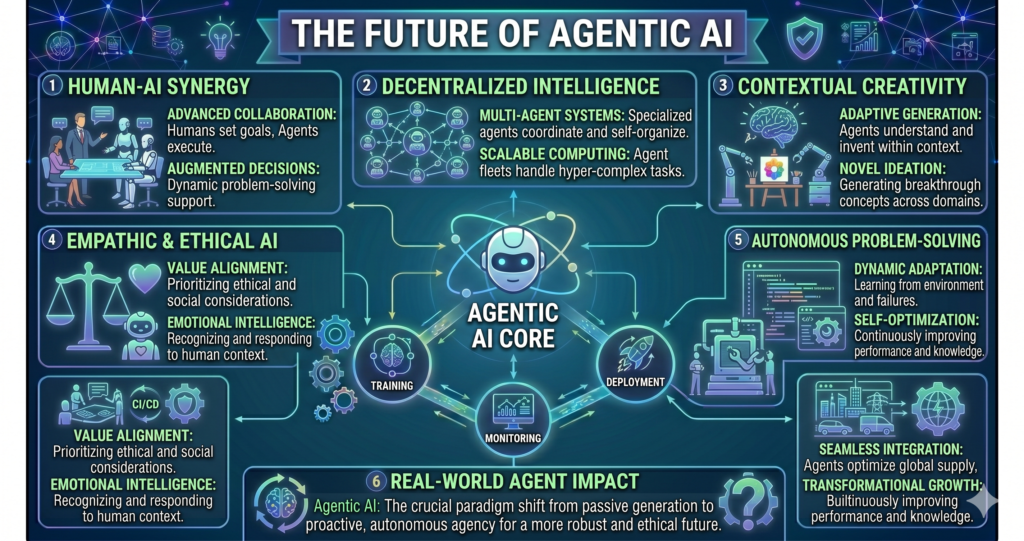
The next phase of AI innovation involves highly autonomous systems capable of managing complete workflows.
Future developments may include:
- Self-improving analytical pipelines
- Agent-to-agent collaboration
- Autonomous business reporting
- Real-time enterprise decision support
As these technologies mature, data science professionals will increasingly focus on designing and managing intelligent ecosystems rather than performing manual tasks.
Organizations that embrace this shift early will gain significant competitive advantages.
Challenges to Consider
Despite their benefits, implementing these technologies presents several challenges.
Integration Complexity
Many businesses still operate legacy systems that were not designed for advanced AI applications.
Successful implementation requires careful planning and modernization strategies.
Security Concerns
AI systems often process sensitive information.
Organizations must establish strong security frameworks to protect data and maintain trust.
Talent Shortages
Demand for professionals with expertise in AI engineering, LLMOps, and advanced analytics continues to grow.
Investing in workforce development is essential for long-term success.
Infrastructure Requirements
Large-scale AI systems require substantial computational resources.
Organizations should evaluate infrastructure needs before expanding their AI initiatives.
8. Best Practices for Adoption
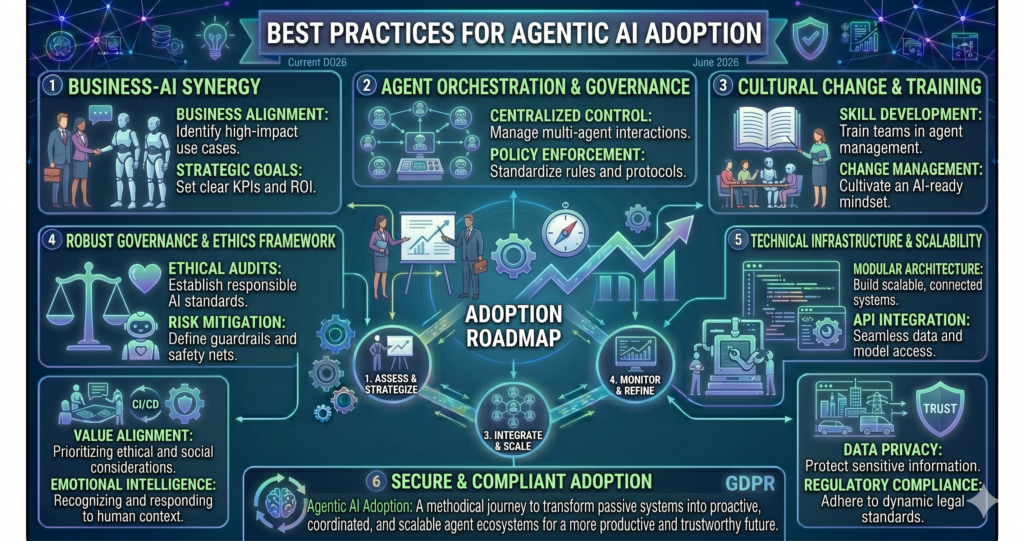
To maximize success, organizations should follow several key principles:
Define Clear Objectives
Establish measurable business goals before implementation.
Build Modular Architectures
Create flexible systems that support future growth and innovation.
Prioritize Governance
Develop policies for monitoring, compliance, and risk management.
Invest in Observability
Maintain visibility into model behavior and system performance.
Support Continuous Learning
Encourage teams to stay current with evolving AI technologies and methodologies.
Conclusion
AI Multi-Agent Systems and LLMOps are transforming the future of data science by enabling greater automation, scalability, and operational excellence. Together, these technologies help organizations manage increasingly complex analytical environments while delivering faster and more accurate insights.
As businesses continue investing in artificial intelligence, the combination of intelligent agents and robust operational frameworks will become a cornerstone of modern analytics strategies. Organizations that successfully adopt these innovations will be better positioned to improve efficiency, accelerate decision-making, and unlock new opportunities for growth.
The future of data science is no longer defined solely by algorithms and models. It is increasingly shaped by intelligent, collaborative, and scalable AI ecosystems capable of delivering measurable business value at unprecedented speed and scale.
Also Read Our other Blogs: Essential Health in the Modern Workplace: Combating Digital Overload and Isolation in 2026
